


Morgane Boyd Guest Post - Control (2019) and What it Taught Me About Worldbuilding
- Sep 26, 2025
- 5 min read
(This post is from the wonderful Morgane Boyd for a collaboration between our blogs. Check out my post "I Learned Everything You Need to Know About Dialogue from Juno (2017)" on their site: https://morganeboydauthor.wixsite.com/author)
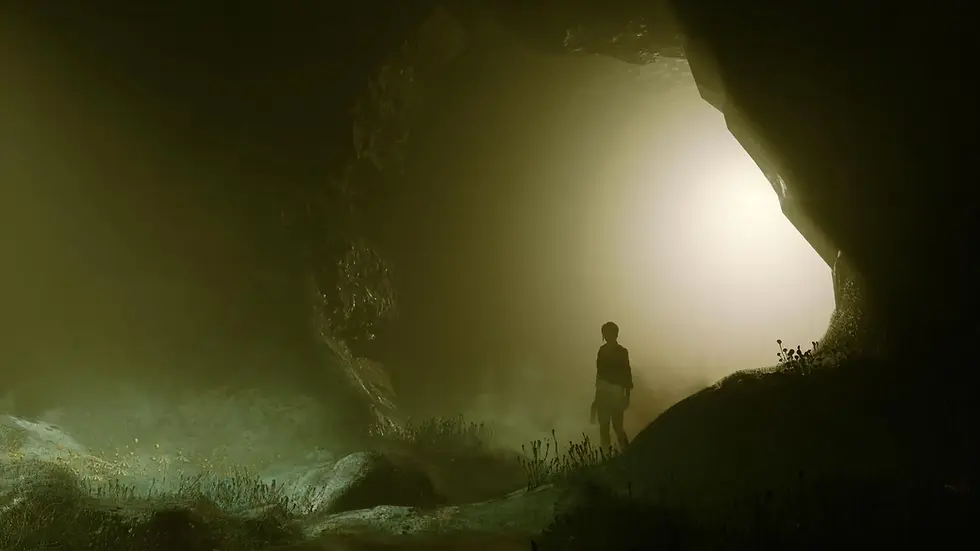
If you’re around me for more than a few hours, you’re going to find out that I’m a fan of Remedy Entertainment’s 2019 game Control.
Sorry, I can’t help it. Though I didn’t discover the game until the middle of the COVID-19 pandemic, when I finally watched a playthrough by Jasmine of the YouTube channel Stumptgamers, I was immediately hooked. This game has provided me with community, countless hours of obsessing over lore, and some valuable lessons for my own writing.
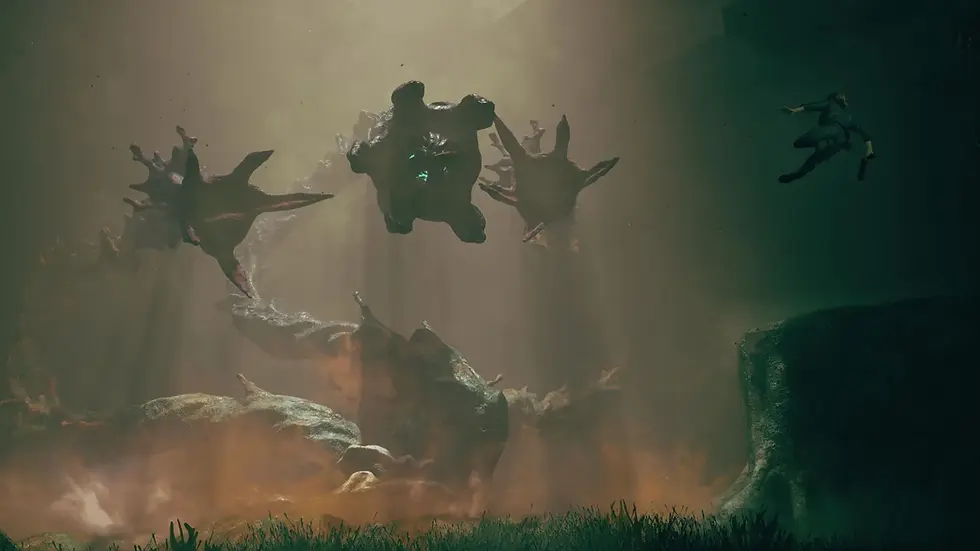
Set in a strange government building in the middle of a war with an extradimensional entity, Control follows Jesse Faden, a woman with an alien in her mind who comes to New York City to search for her younger brother. After entering the aforementioned government building, called The Oldest House, Jesse finds herself in charge of a scattered, depleted group of survivors who face insurmountable odds against an entity much more powerful than themselves. Not only does Jesse have to face this formidable foe, named the Hiss, she also has to juggle her expanding powers, her paranatural bosses Ahti and the Board, and the many powerful items housed in The Oldest House.
Needless to say, Jesse has a lot on her plate.
But, while Remedy Entertainment is known for their stories, it is the worldbuilding of Control that I have learned from the most. Here are three lessons that I took from the writing and world of Control:
The Memos
Throughout Control, the player can find various papers, audio files, and even videos that were produced by characters before or during the events of the game. These memos provide information about the world, but they aren’t limited to dry reports or what is relevant to the plot in front of you. You may end up reading about a funding feud between researchers or hear one character’s slam poem about an annoying rubber duck. Even the information that is more directly given has personality, with random redactions and character opinions injected throughout.
For me, this use of outside materials to build the world for the player can be expanded outside of writing for video games. When worldbuilding, you may not need to touch upon every aspect of the world (more on that later), but the setting of your story should serve more than the plot. It needs to be a world that the characters can live in.
Additionally, it was one of the best examples I saw up to that point of characters having opinions and differences of view in worldbuilding. The employees in the building didn’t always agree on what they were looking at or what was most important. It’s something we see all the time in real life, but in narratives, the characters may accidentally agree on everything about the world. A writer must pay careful attention to this aspect of worldbuilding, for not only does it make the world feel more lived in, but also may assist with expanding and solidifying the plot.
Visual Setting
Control has some gorgeous visuals, with vast, cathedral-like rooms and beautiful lightning. The Oldest House may be one building, but the developers truly did an amazing job with creating different aesthetics for the various areas, even while keeping the brutalist architecture throughout.
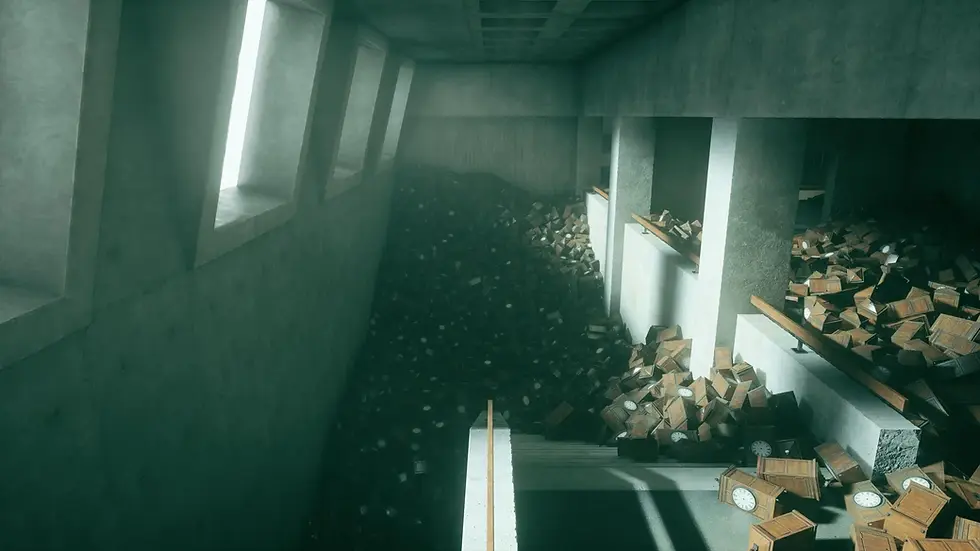
However, for worldbuilding, what interests me the most about Control are the little details. The single chair knocked over in a meeting room. The shelter with a poker table in the middle. Though The Oldest House is startlingly devoid of life other than the Hiss through the game, these small details tell a story of all of the employees we don’t see or speak to.
Us writers have all heard the saying “show, don’t tell,” though those three words alone often fail to give any true advice. Here, in a way, shows the true power of what you can do with this oft-told knowledge. With these small details, you can give a fuller picture of your world to readers, even if what you’re telling isn’t right in their faces.
Leaving Gaps
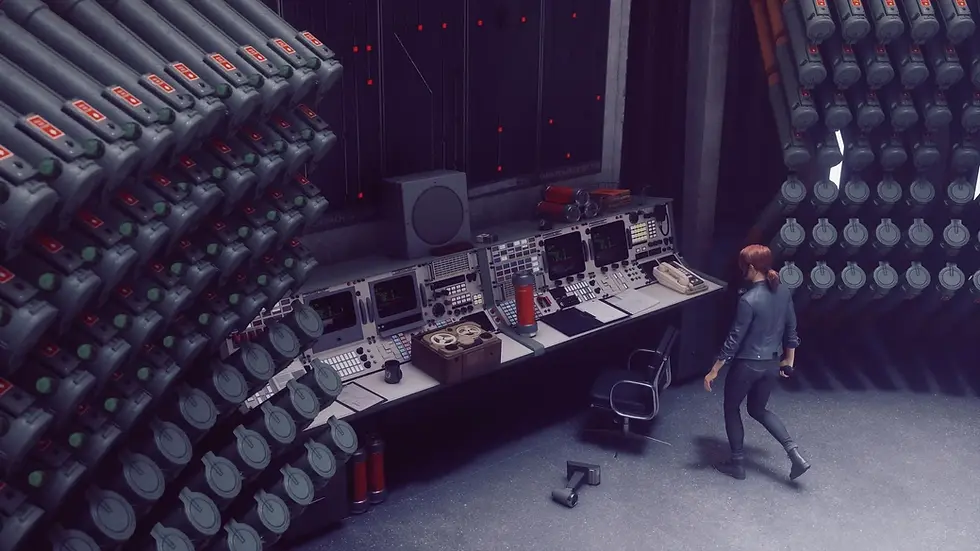
If you weren’t aware, Control started what is now called the Remedy Connected Universe, where their different narratives of Control and Alan Wake were woven into a single world.
Now, many people groan at the mention of a connected universe, and I don’t blame them, especially in terms of worldbuilding. One fatal flaw of narrative connected universes is the urge to explain everything.
In Control, though, that is not the case. The game takes an interesting approach in that much of its world hasn’t been explained, and the signs point that there will be some details that are never fully understood by the characters or the players. How do parautilitarians work? How do paranatural objects form? Where did Langston’s cat come from?
For us writers, there is an urge to make sure everything is understood in your world. The not-so helpful advice from the internet certainly hasn’t helped the younger generation, with posts claiming that your characters couldn’t eat potatoes unless you declared where exactly they came from. While that level of detail may be necessary for historical fiction, speculative fiction can leave a lot more to the imagination. Leaving gaps not only makes your world more believable, but it also shows your readers that you trust them. If they really want to know, they’ll write some fanfiction about it.
Conclusion
I’m a believer that, no matter what medium you write for, there is plenty you can learn from video games. Their unique place as an interactive narrative with visual elements gives a writer the ability to more tangibly see the way the parts of worldbuilding fit together, and then the lessons learned from analyzing these pieces can be brought to other mediums, such as novels. Specifically, from Control, I personally learned to give characters opinions on the world, show using the small details, and to resist the urge to overexplain my worldbuilding.
So, next time you play a video game or watch a playthrough, don’t be afraid to think about how it could help your writing. You may be surprised as to the lessons you can take away.
Morgane Boys is a self-published author and lover of exploring different mediums in writing. They have published one fantasy novel, Ghosts of the Steel Road, and have been credited in writing for multiple small visual novels. When not writing, Boyd can often be found streaming on Twitch at ThatOneParadox or trying new recipes. You can find more information about Boyd on their website.


Comments